Discovering Old Buildings

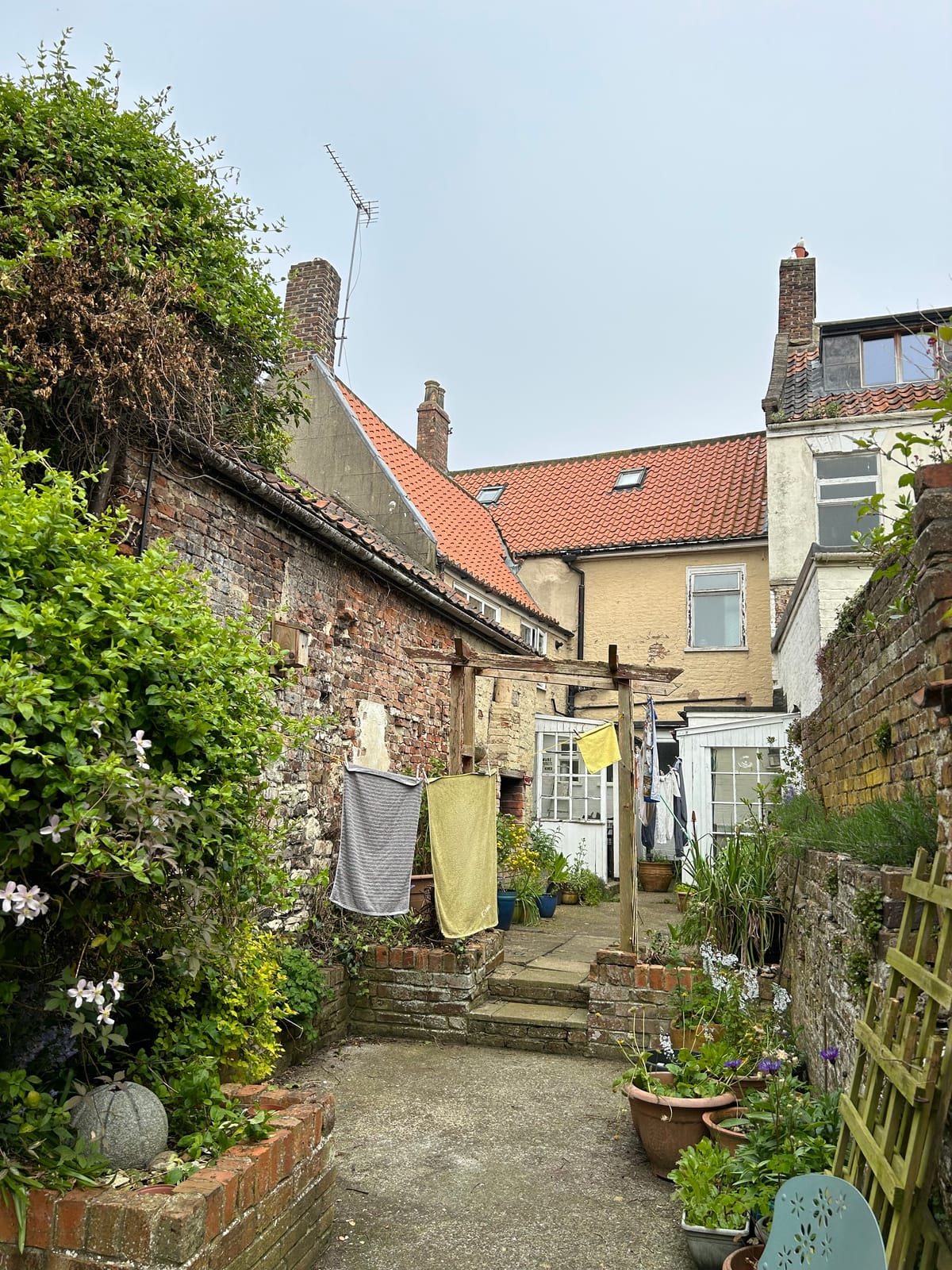
When I was in elementary school, I took the encyclopedia off the shelf and flipped through, ignoring the walls of text to gaze at the pretty pictures of buildings. I didn’t know exactly what it was I was looking at, but what I did know was keen excitement. After expressing how cool I thought these little structures were, my grandma sat my sister and me down with a ruler, some stencils for furniture, and some colored pencils, saying, “Why don’t you make your own?” We spent hours drawing floor plans, constructing extravagant glass catwalks, and designing indoor gardens. I moved on, but something stayed dormant.
By the time I was in middle school, I found myself absolutely entranced by English medieval history, fed by a combination of Monty Python and the Holy Grail and Ian Mortimer’s Time Traveler’s Guide to Medieval England. I insisted that my parents take me to the store to buy posterboard so I could make my own presentation on medieval England, history fair-style. I laid out fiefdoms, social structures, and printed out pages on timelines. I read about it, wrote stories about it, and then one fateful day after reaching high school, my world history teacher showed a slide on Gothic architecture. The color-coded perspective of the cathedral anatomy spoke to me - a spark ignited, like all the pieces were falling into place. You could easily say it became an obsession.
My lovely and supportive family, seeing this and especially after seeing me go through the woes of teenage life, surprised me on my birthday with a trip to England with my dad. I was shown a slice of heaven. London, Salisbury, and finally, Oxford. Architecture came to life! In London, a mix of old and modern, some lovely Wren alongside the Shard, Salisbury with a slice of ancient England, and Oxford with rich, abundant, unchanged medieval streets. I found out what love meant on that trip. Cemented in my brain was the thought of learning more, more, all there was to know, then making old buildings my entire life.

Finally, I went to college.
At Smith, I was determined to go the route of medieval history. I was already studying Latin, and I already knew which centuries I found interesting. I wanted to do English medieval buildings. The entire experience was a whirlwind, but I decided, after much contention, to study architecture itself. That said, I did really brute force my learning toward architectural history. I wrote essays on Salisbury Cathedral (my first (architectural) love), made presentations on hammer beam roofs, and tried to design my architecture projects toward English medieval tradition, much to the distaste of my more modernist professor (who did, however, teach me more about boundless persistence).
I graduated at the end of the peak of COVID. It was extremely anticlimactic, and I was feeling lost, as many do when they reach the end of their school life. I tried to think of what to do next. I remembered the feeling of bottomless joy I felt when learning about English medieval buildings - so what did I do? I, with probably two weeks until the deadline, applied for graduate school in England for historic building conservation. I was happily accepted to every program I applied for, and after intense thought, I chose Oxford Brookes University. Within months, I was in England.
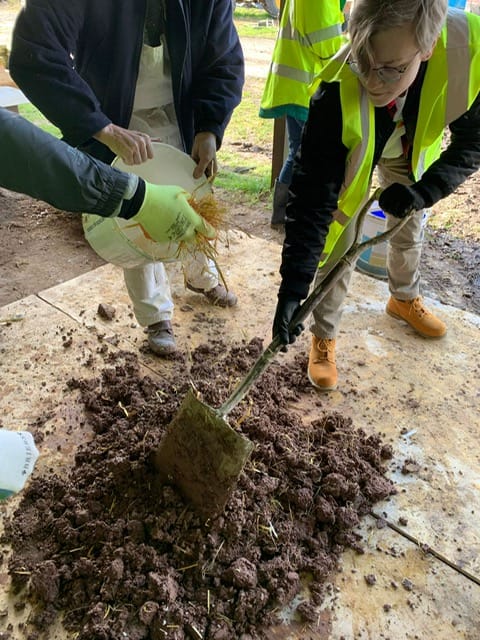
I returned to Oxford much as I knew it when I visited in 2014, the same as it had been for hundreds of years. My experience on the program was simultaneously the most fun I’ve ever had and extremely difficult, being an ocean away from home and not knowing anybody there, but the support I received was heartfelt (thank you, amazing professors and friends!). Hucking lime mix at wattle and learning brickwork during Lime Day, a tour of Dorchester-on-Thames from Malcolm Airs himself, whose YouTube videos I had on repeat in college, working on theories of construction on a small estate, creating a conservation area report for a small medieval town, I could go on. Unfortunately, I had to return home near the end of the program, but I do have every intention of going back to finish the job. The fire that I felt towards architecture when I was a kid has never died.
I continue to stalk Instagram and Facebook pages for charming and extravagant buildings to learn more about them. I have a large and growing collection of books on the subject, including those from an academic hero of mine, Cecil Hewett, and other old-architecturally-biblical figures like Clifton-Taylor and Salzman. I’ve joined the VAG and the Yorkshire Vernacular Buildings Study Group, who kindly guided me in joining their recording conference in Bridlington in May 2024. Shout-out to the YVBSG and all their kind members!
You might ask, "Why old buildings?" My answer: I have no idea. I’m still philosophizing on the subject, but hopefully, as I write these posts, study more, speak to more people and communities, and make my way back across the pond, I will find out what exactly is so entrancing about this architecture to me. For now, I know it brings me joy, purpose, and a unique and special way to connect to people, their history, and their lives.