Getting Hands-On

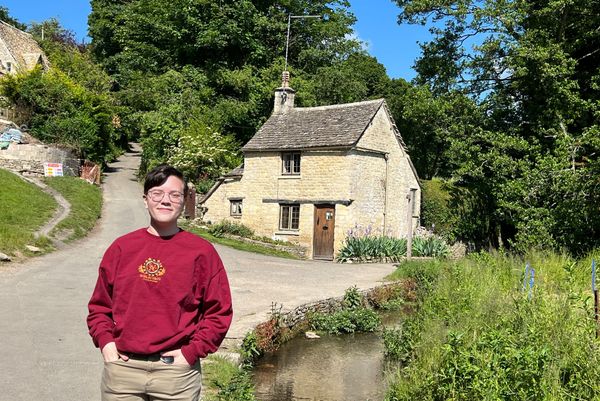
In March 2022, I dragged myself out of bed, feeling under the weather. "Lime Day" was that day on my program at Oxford Brookes. I had been looking forward to this since the coordinators announced it some weeks before, so I hopped (crawled) in the car with a few of my fellow students anyway. During our day with Owlsworth Conservation, we got to try mixing lime, chucking said lime mix at wattle, stone carving, bricklaying, you name it. By the end of the day, I was worse off than when I arrived. It was completely worth it. Something woke up in me that day about why I had chosen Brookes over every other program in the UK, not despite the hands-on work, but because of it. To really know a building, I was beginning to understand, you have to get your hands dirty.
This has become a strong principle of mine: "you can't truly know something until you've gotten your hands on it". You can read every scholarly article, every survey, every measured drawing of timber construction ever written, and well, honestly, you should - but until you've stood inside one, seen the braces and the joinery and the crucks and how they all work together to create organic space, something remains out of reach. You can describe it, sure. But can you speak about it with intimacy? Can you claim to truly understand it?
Personally, I don't think you can. There is a gap between knowing and understanding in architectural history that I believe should be addressed more. Architectural history, in my experience, is largely conducted from a distance in the archives, from photos, from scholarly journals and books. This is real and vital knowledge, but there are blind spots - the buildings we study aren't simply illustrations. They are an experience of space, of time, and of human life.
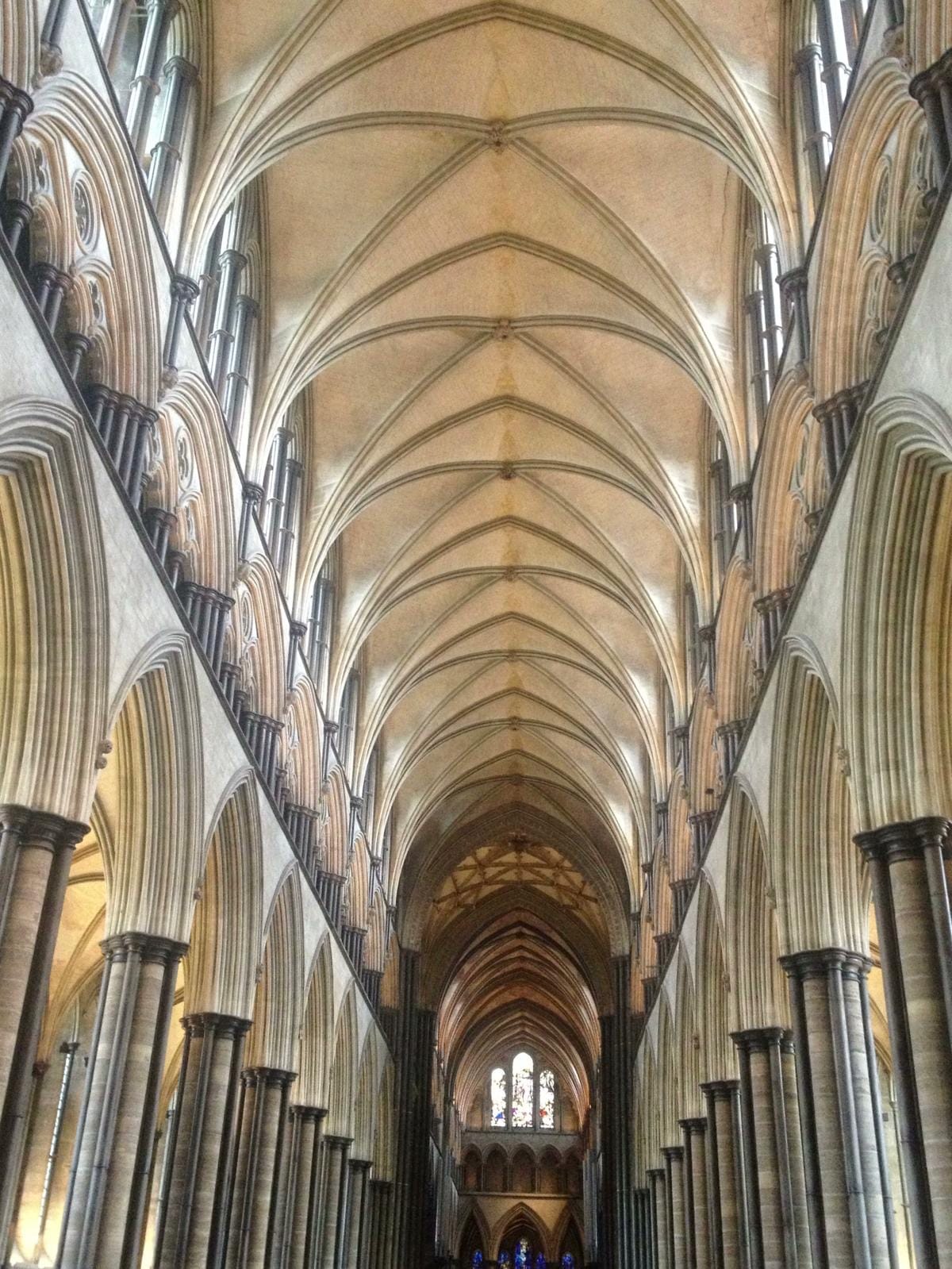
For most of my educational career, there was, quite literally, an ocean between me and the buildings I studied. As an American, I fell in love with English architecture and spent years learning about it from a distance. Books (lots of old ones off Amazon), photos, and drawings that made a perfect pretty picture of what was, realistically, rough, ancient, and possibly big enough to hurt your neck looking up at. I thought I was a near-expert because I knew these buildings from front to back on the page. Then I stood inside Salisbury Cathedral for the first time, and with sudden and humbling clarity, I realized I knew basically nothing.
Photos don't prepare you for it. Plans don't tell you what it's like to stand under thousands of pounds of ancient stone in the nave, nor come to terms with the reality that they were cut by hand and lifted into place. The people who erected the columns are gone, but the cathedral, defiantly with its tilting spire, is not. The gap between reading about a building and being in one is not small. It's the difference between knowing about something and actually knowing it.
Simply visiting a building can change you. But I knew from then on that visiting wasn't enough. There was a deeper intimacy available to those willing to look for it.
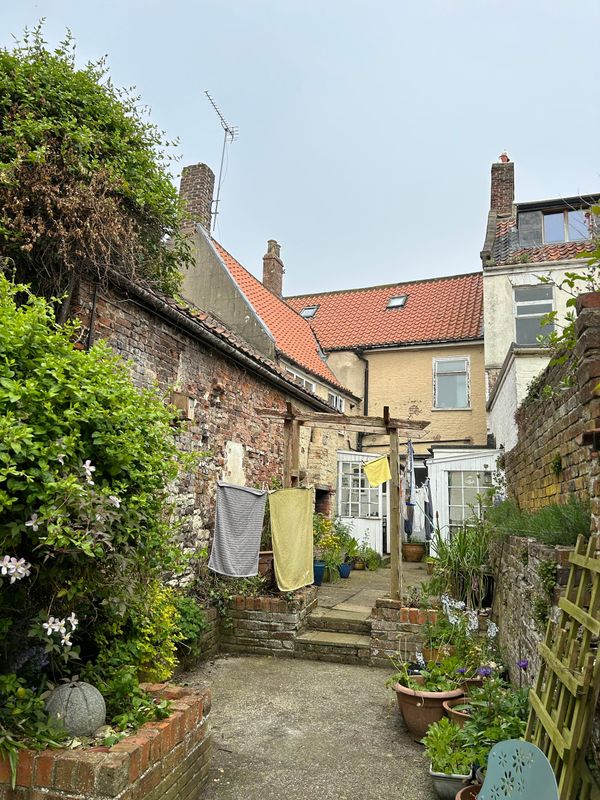
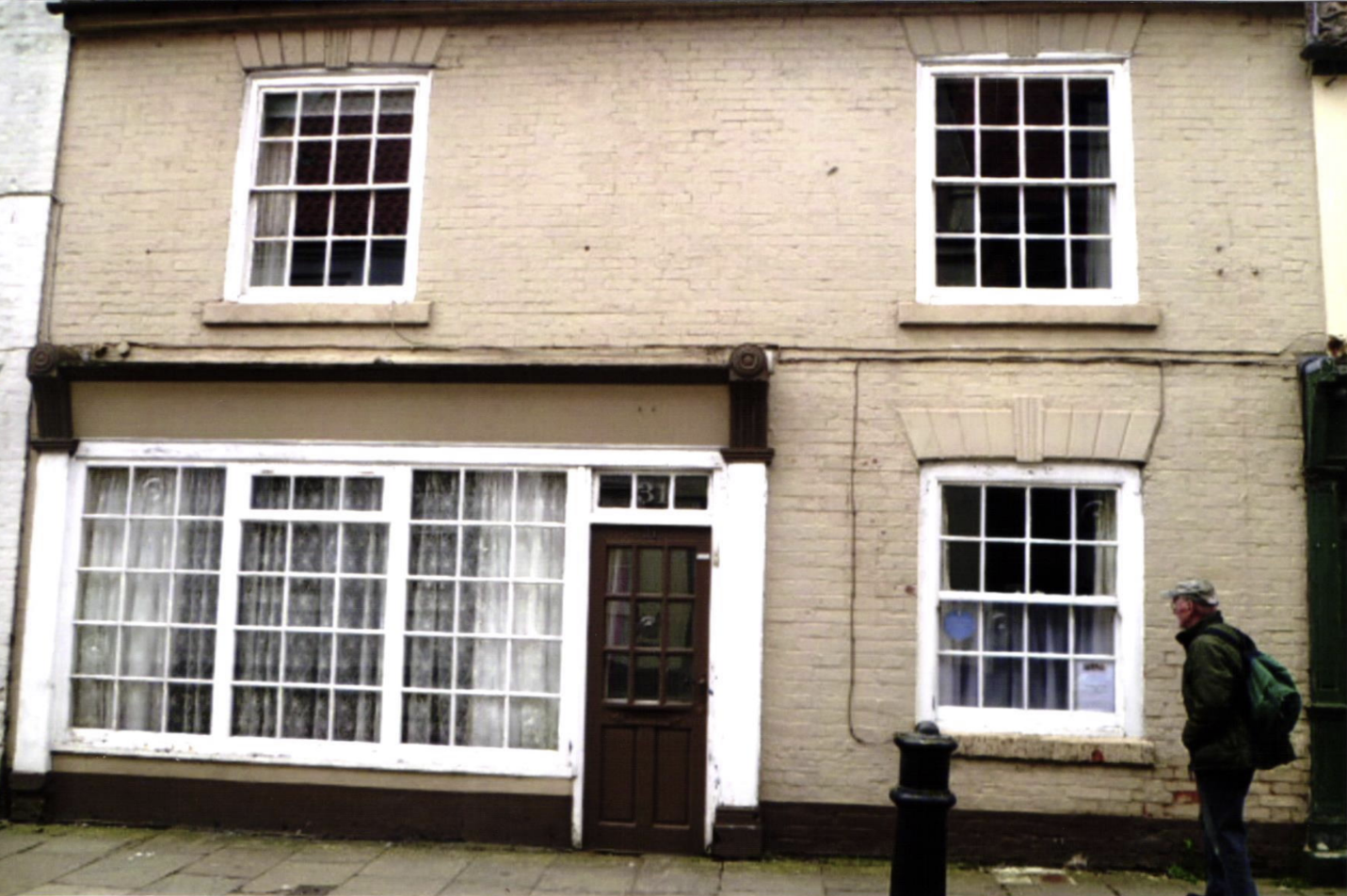
In May 2024, a year or so after leaving Brookes, I made my way to Bridlington in the East Riding of Yorkshire for a recording conference with the Yorkshire Vernacular Buildings Study Group. Along with a team of kind members, we set out to record a home at 31 High Street. From the outside, the building gave little away, as many structures do, their true nature concealed beneath layers of fabric, render, and alterations. Recording meant wriggling beneath those layers, both literally and intellectually, and learning to read what was hidden.
We eventually made our way down to the cellar. Accessed from beneath the stairs, it was claustrophobic. It was the kind of space that makes you intimately aware of yourself, how much room you take up, how low a ceiling can be before it starts to feel a little too personal. It was cold in a way that old spaces are cold, a settled, permanent chill that a heater couldn't quite shift. It was well-lit but somehow cave-like, as if waiting to be explored.
And the more I looked, the more certain I was that I wasn't seeing the whole story. The walls were lined with blockwork, the ceiling flat. These modern alterations were polite, tidy, and obscuring. You could feel in the proportions that it was keeping something secret. Angled brickwork revealed the position of a former kitchen fireplace, the ghost of a forgotten room. According to earlier survey records, numbers 31 and 33 once shared the cellar with a brick barrel-vaulted roof, and an arch between them, the arch now long since bricked up and the ceiling covered and flattened.
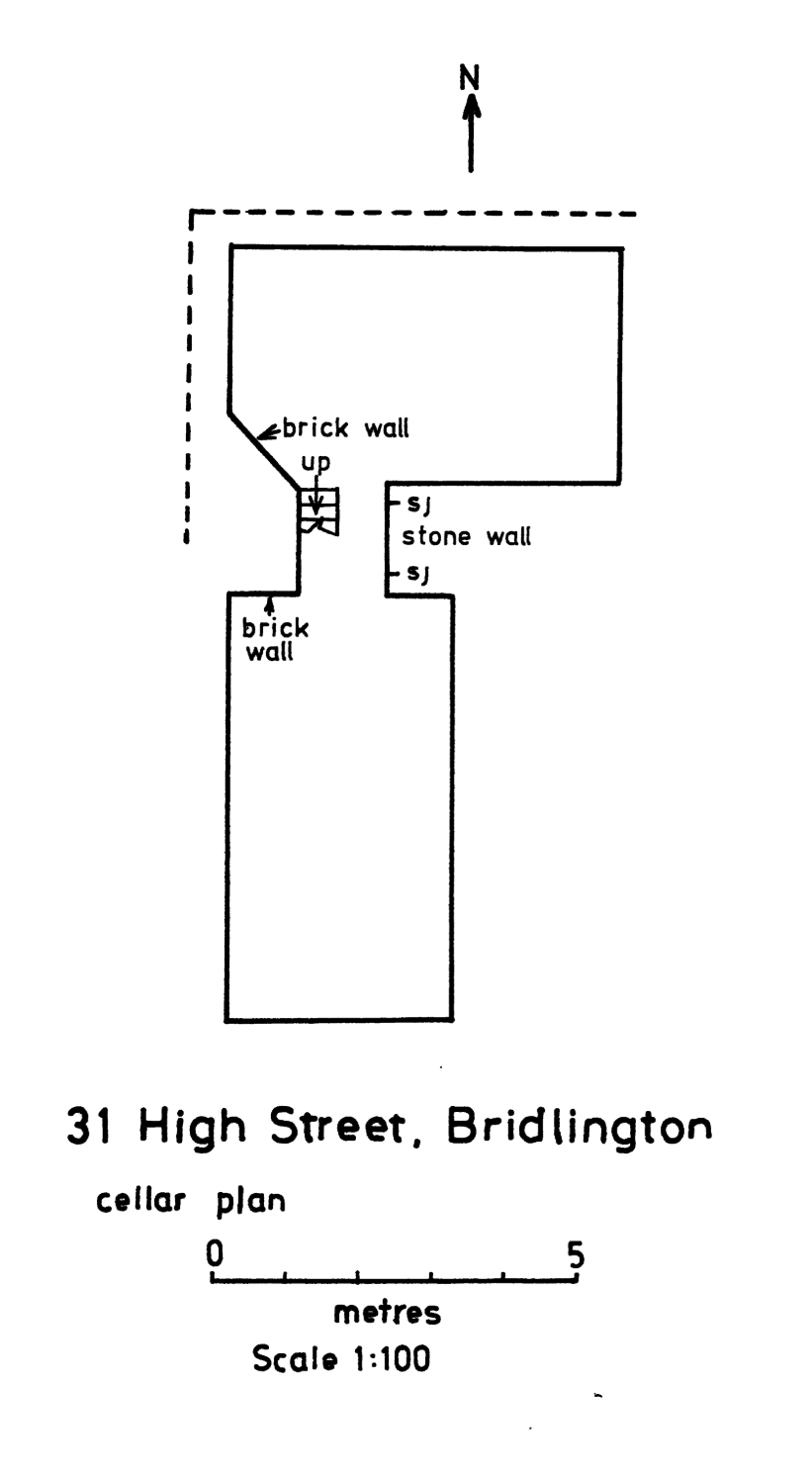
Figuring this out in the process of recording was frustrating. It was, nonetheless, part of 31 High Street's story. It was a sweet feeling, going down into the depths of the structure and having that distinct sense that something was amiss, that there was something more than met the eye. It felt like knowledge. The building was telling us something, even by what it withheld.
Standing in that Bridlington cellar somehow reminded me of my young self standing in Salisbury Cathedral. Had I not mixed lime at Lime Day, would I have ever been able to internalize the process that craftspeople went through? Had I not lain on the cold floor of the cathedral and looked up at the vaulting 80-some-odd feet up, would I have ever realized the pure scale and awe of these structures? Had we not been able to touch that blockwork and stand beneath the cramped ceiling, would we have been able to properly tell the building's story?
The written record holds significant weight, but there is another kind of knowledge that only comes from being present, getting your fingernails beneath the surface, feeling the weight of the lime on your shovel when you look at a wattle and daub structure, and sitting with a building yourself and delving for its little hidden details until it starts to give things up.
I believe my philosophy stands. I learned more in 31 High Street's cellar than I did in months or possibly years of reading. I understood Salisbury more fully after feeling the chill of the stone on my own fingertips than I did after studying its plans in my American university. It's hard to truly know a building without getting beneath its skin. They are not passive objects of study. They are conversations. You just have to be willing to show up, get close, and listen.